
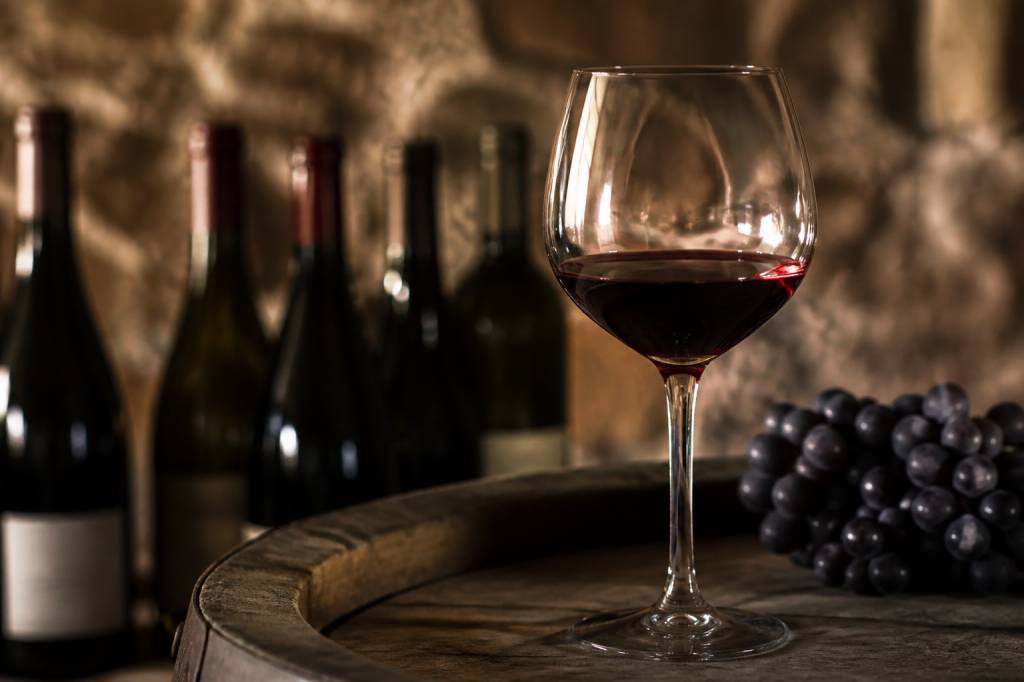
What makes Burgundy red wine so distinctive?
Burgundy red wine is built on one grape: Pinot Noir. That simplicity is deceptive. Pinot Noir is famously transparent, which means it reflects climate, soil, vineyard exposure, and winemaking choices with almost inconvenient honesty. If the fruit is excellent, Burgundy can be breathtaking. If not, there is nowhere to hide. That is precisely why the region has earned its reputation.
In practical terms, Burgundy reds range from light and graceful to structured and deeply savoury, but they rarely chase power for its own sake. The best examples favour precision over excess: red berries, floral lift, earth, spice, and a texture that can feel silky one moment and tensile the next. Think less “blockbuster” and more “sharp-edged finesse.”
It is also worth stating the obvious: Burgundy is not a single style. A regional Bourgogne Rouge and a Grand Cru from the Côte de Nuits may share the same grape, yet they can behave like distant cousins rather than close siblings. The difference is not marketing. It is geography, farming, and a long series of decisions made from vine to cellar.
The main Burgundy red wine styles
To understand Burgundy reds, you need to think in layers. Classification matters, but so does site quality, vine age, and the grower’s philosophy. Here is the cleanest way to approach the region.
- Regional Bourgogne Rouge: the entry point. Often lighter, fruit-driven, and made for earlier drinking, though good producers can deliver real character even here.
- Village wines: wines from a named commune such as Gevrey-Chambertin, Volnay, or Nuits-Saint-Georges. These usually add more definition, depth, and a clearer sense of place.
- Premier Cru: from specifically classified vineyard sites within a village. These wines tend to show greater complexity, more precise structure, and better ageing potential.
- Grand Cru: the top tier, produced from the most esteemed vineyards. Expect concentration, aromatic complexity, and a more pronounced capacity to evolve over time.
There is a useful rule of thumb: the further you move up the hierarchy, the less the wine is about simple fruit and the more it becomes about texture, nuance, and persistence. This is why Burgundy can confuse drinkers who expect obvious, immediate impact. The wine is often speaking quietly, but it is saying more than you first hear.
Tasting notes: what Burgundy red usually smells and tastes like
Pinot Noir has a signature, but Burgundy is never one-note. Still, there are recurring markers that help you identify the region and understand style.
Fruit profile: red cherry, raspberry, wild strawberry, cranberry, and occasionally black cherry in warmer sites or richer vintages. The fruit is usually bright rather than jammy.
Floral notes: rose petal, violet, and peony can appear, especially in more elegant sites and cooler years.
Savoury and earthy notes: forest floor, mushroom, damp leaves, undergrowth, truffle, and sometimes game. These aromas are a major part of Burgundy’s appeal, especially as the wine ages.
Spice and oak-derived tones: clove, cinnamon, cedar, toast, and subtle vanilla if oak is used sensitively. In top Burgundy, oak should support structure, not announce itself like a guest who arrived too early.
Texture: fine tannins, medium body, fresh acidity, and a palate shape that often feels linear rather than broad. Burgundy red is rarely about brute force; it is about contour.
Younger wines often emphasise cherry and floral fruit, while mature bottles shift toward dried rose, tea leaf, tobacco, and earthy depth. This evolution is one of the main reasons Burgundy is so admired by collectors and, frankly, so frustrating for anyone who wants instant gratification.
Regional differences inside Burgundy
Burgundy is famously fragmented, and that fragmentation matters. A few kilometres can mean a visible change in soil, exposure, and wind pattern. The result is not subtle.
Côte de Nuits: generally the more powerful and structured side for red Burgundy. Expect firmer tannins, darker fruit, and greater age-worthiness in wines from villages such as Gevrey-Chambertin, Vosne-Romanée, and Nuits-Saint-Georges.
Côte de Beaune: often more perfumed, supple, and immediate, though this is a broad generalisation. Volnay is famous for elegance, Pommard for structure, and Beaune for balanced, approachable reds.
Chalonnaise and Mâconnais: less prestigious on paper, but often excellent value. The wines may be a little less layered than the elite Côte d’Or sites, but the best bottles can be vivid, charming, and honest expressions of Pinot Noir.
So what should you expect from a bottle labelled simply “Bourgogne”? Often a regional blend from several parcels, designed to give a broad introduction to the domaine’s style. If the producer is serious, that can still be a very worthwhile wine. If not, it may just be a polite reminder to spend your money elsewhere.
How winemaking shapes the final style
Many people talk about Burgundy as if the vineyard alone determines everything. That is convenient, but incomplete. Winemaking choices matter a great deal, and in Pinot Noir they can shift the balance from delicate to hollow, or from structured to severe.
Extraction: Burgundy producers often favour gentle extraction. Too much punching down or pumping over can make Pinot Noir lose finesse and pick up harsh tannins. Too little, however, and the wine can feel thin. The winemaker’s job is to navigate that narrow corridor.
Oak: French oak is common, but the best producers use it with restraint. New oak can add spice, texture, and small oxygen transfer, but too much can bury the fruit. Burgundy punishes vanity in barrel selection.
Whole cluster fermentation: some growers use whole bunches to add aromatic lift, spice, and structure. In the right hands, this can be brilliant. In the wrong hands, it can push the wine toward green, stemmy austerity. Context is everything.
Harvest timing: pick too early and you get hard acidity and under-ripe tannins; pick too late and you risk losing Burgundy’s essential brightness. The sweet spot is narrow, and climate change has made it even more difficult to hit consistently.
For readers interested in sustainability, this is also where farming choices start to show up in the glass. Organic and biodynamic practices are increasingly common, and while certification is not a guarantee of quality, healthier soils and more careful vineyard work often produce wines with greater definition and less cosmetic winemaking correction.
Food pairings that actually work
Burgundy red is one of the most food-friendly wine styles in the world, but pairing it well requires respect for its structure. The basic rule is simple: do not overpower it. Burgundy is not built to wrestle a pepper-crusted steak for dominance.
Here are pairings that make sense:
- Roast chicken: especially with herbs, morels, or a light cream sauce. This is one of the most reliable matches for village-level Burgundy.
- Duck breast: a natural partner, particularly with cherry, plum, or red wine reductions that echo the wine’s fruit profile.
- Mushroom dishes: risotto, tartlets, or pasta with porcini work beautifully because Burgundy’s earthy notes meet their counterpart on the plate.
- Salmon or tuna: for lighter Burgundy, especially when simply grilled or served with a delicate glaze.
- Game birds: partridge, quail, and pheasant suit Premier Cru and mature village wines very well.
- Beef tartare or carpaccio: a good match if the wine is fresh, not overly extracted, and served slightly cool.
What about cheese? Burgundy is excellent with soft, washed-rind, or gently nutty cheeses. Époisses can be a powerful pairing, though it is not for the timid. A mature Pinot Noir can also work with Comté, especially when the wine has developed savoury complexity.
A practical note: avoid heavily spiced dishes, very sweet sauces, or intense chilli heat. These can flatten Burgundy’s aroma and make its tannins feel awkward. Pinot Noir is a diplomat, not a firefighter.
Serving Burgundy red the right way
Temperature matters more than many people think. Serve Burgundy too warm and the alcohol can dominate. Too cold and the aromas close up, leaving you with a tight, acidic shell.
A useful serving range is around 14–16°C for most Burgundy reds, slightly warmer for mature, more structured wines. If the bottle has been stored at room temperature, a short period in the fridge can help bring it into balance.
Decanting is another judgement call. Young, structured Premier Cru or Grand Cru Burgundy can benefit from one to two hours of air, especially if the wine is closed or the vintage is firm. Older bottles are more delicate; a brief decant may help remove sediment, but extended aeration can strip them too quickly.
Glassware should not be ignored. A wide bowl helps Pinot Noir open up aromatically. Burgundy is a wine of detail, and detail is easier to perceive when the glass is not fighting you.
How to read a Burgundy label without pretending it is easy
Burgundy labels can look simple until they are not. At first glance, you may see a village name, a producer, and perhaps the word Premier Cru. Beneath that apparent clarity lies the usual Burgundian maze.
- Producer name: often the most important piece of information. In Burgundy, producer reputation can matter as much as vineyard name.
- Village or appellation: tells you the geographical origin and often the overall style.
- Lieu-dit or climat: a named plot, sometimes crucial for identifying quality.
- Vintage: essential, because Burgundy is highly sensitive to year-to-year variation.
If you are buying blind, a good producer in a modest appellation is often smarter than a mediocre producer in a famous village. That is not romantic advice, but it is reliable advice.
Vintage character and ageing potential
Burgundy is a region where vintage matters a great deal. Cooler years can produce sharper, more linear wines with vivid acidity. Warmer years may deliver riper fruit and greater immediate generosity, though they can sacrifice some of the delicacy that makes Burgundy special.
Ageing potential depends on classification, site, and producer style. A simple Bourgogne Rouge is usually best enjoyed young to capture fruit purity. A well-made village wine can age for several years. Premier Cru and Grand Cru bottles often evolve beautifully over a decade or more, gaining tertiary notes of mushroom, dried flowers, tea, and forest floor.
One of the more satisfying experiences in wine is opening an older Burgundy that still has energy. The fruit recedes, the savoury tones deepen, and the texture becomes almost weightless. It is not a wine that shouts. It matures into a more articulate version of itself.
Buying Burgundy red without disappointment
Here is the honest part: Burgundy can be expensive, inconsistent, and occasionally overhyped. That does not make it overrated; it makes it human. But if you want value, there are a few sensible tactics.
- Look for respected producers before chasing famous labels.
- Consider village wines and lesser-known appellations for better value.
- Do not dismiss younger vintages if the producer has a strong track record.
- Buy from merchants who store bottles properly and can explain the source.
- Use tasting notes as a guide, but remember that Burgundy can vary bottle by bottle.
If you want the region’s personality without paying Grand Cru prices, a good Bourgogne Rouge from a serious domaine, or a village wine from a strong vintage, is often the most rational choice. Burgundy rewards informed buyers. It punishes impulse.
Final practical takeaways
Burgundy red wine is defined by nuance, not excess. Its best bottles combine bright red fruit, floral lift, earthy complexity, and a texture that can be both elegant and persistent. The styles vary widely, but the common thread is precision.
If you remember only a few things, make them these:
- Pinot Noir is the engine, but terroir and winemaking determine the expression.
- Famous villages are not automatically better than excellent producers elsewhere.
- Pair Burgundy with dishes that respect freshness, texture, and subtle savoury depth.
- Serve it at the right temperature and give it air only when the wine needs it.
- Read labels carefully, because in Burgundy the details are the wine.
In the end, Burgundy red is not about volume. It is about clarity. That is why it remains one of the most compelling wine styles in the world, and why serious drinkers keep returning to it even after expensive disappointments. The region asks for attention. It usually deserves it.