
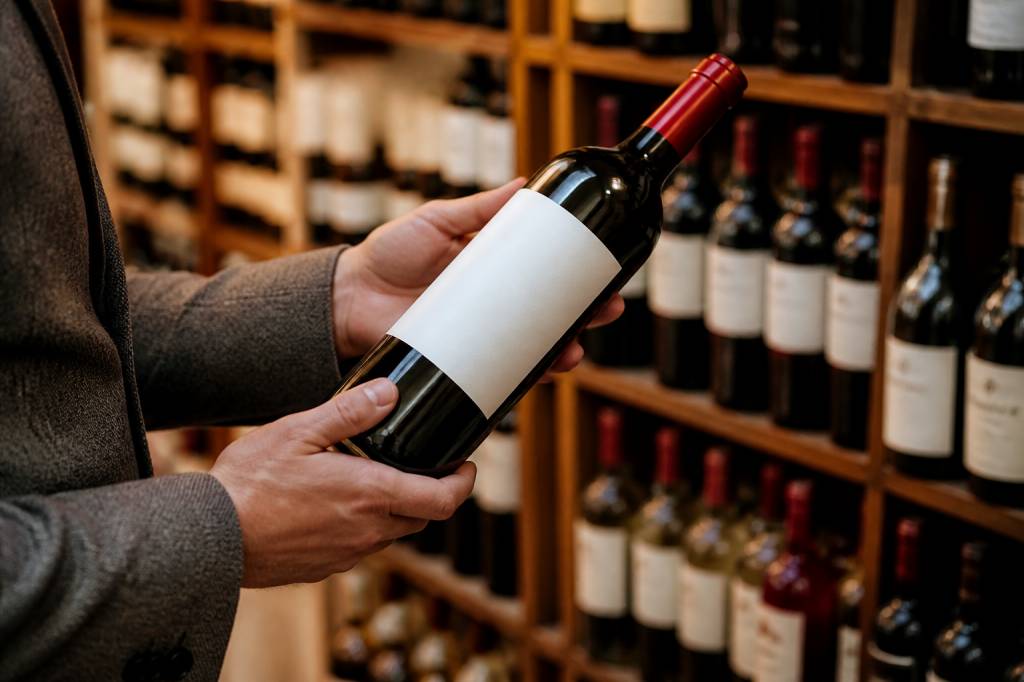
If you are about to buy claret, the first thing to know is that the word itself can be annoyingly slippery. In the UK, “claret” usually means red Bordeaux. Not all Bordeaux, and certainly not a generic red wine from anywhere that has access to grapes and ambition. Traditionally, claret points to the dry, Cabernet-led blends of Bordeaux: structured, medium-bodied, often marked by cassis, cedar, plum, tobacco, and the sort of restrained elegance that rewards attention rather than shouting for it.
That matters because the difference between a good claret and a disappointing bottle is often the difference between precision and vagueness. Bordeaux is not one uniform style, and if you shop without a framework, you can easily end up with a wine that is technically correct but emotionally flat. So let’s strip the subject down to its useful parts: what claret is, how to choose it, which regions and vintages matter, what to expect at different price points, and how to avoid buying a bottle that looks expensive because of the label rather than the liquid.
What claret actually means
In modern British usage, claret is a shorthand for red Bordeaux wine. Historically, the term came from the French “clairet,” describing lighter red wines from the Bordeaux region that were popular in England centuries ago. Today, the wines are deeper in colour, more structured, and much more varied, but the name stayed.
In practical terms, when you buy claret, you are usually buying a blend built around some combination of:
The proportion depends heavily on where the wine comes from. Left Bank Bordeaux tends to lean Cabernet Sauvignon, while Right Bank wines are often more Merlot-driven. That distinction is not just academic. It changes the texture, ageing potential, food pairing, and even the type of drinker who will enjoy the bottle most.
Choose by Bordeaux sub-region, not just by price
If you want to buy claret intelligently, stop thinking of Bordeaux as one big bucket. The region behaves more like a patchwork of very different personalities. Terroir matters here in a hard, measurable way: gravel affects drainage and heat retention, clay holds water and suits Merlot, and limestone contributes freshness and linearity. A good vintage can still taste quite different depending on where the vines are rooted.
Here is the simplest breakdown:
If you are looking for value, the sweet spot often sits just outside the famous names. Satellite appellations and lesser-known communes can offer serious quality at far more sensible prices. The label may not impress your guests instantly, but the wine may do the talking a lot more effectively.
Read the vintage before you read the label design
Bordeaux vintage variation is real, and ignoring it is an easy way to overpay. Unlike some regions where cellar technique smooths out the differences, Bordeaux remains sensitive to weather during flowering, summer ripening, and harvest. Rain at the wrong moment can dilute fruit or increase disease pressure. Heat spikes can alter acidity and sugar accumulation. The result? Certain years shine, others require more selective buying.
For claret, vintage is especially relevant because structure and ageing potential can swing noticeably from year to year. As a rule of thumb:
If you are buying to drink soon, a slightly softer year may actually be an advantage. If you are buying to cellar, you want enough backbone to support long ageing. There is no prize for buying the most intimidating bottle and then opening it while it still tastes like a polite argument.
Know the producer, not only the château name
Bordeaux marketing has trained many buyers to chase classification, famous labels, and grand names. That is understandable, but incomplete. In claret, producer quality can outweigh almost everything else. Vineyard management, harvest timing, extraction choices, oak regime, and selection at blending all leave a visible mark on the wine.
Two wines from neighbouring estates in the same appellation and vintage can differ dramatically. One may show ripe fruit and balance, while another feels green, over-oaked, or hollow in the mid-palate. That is why reviews from credible critics, merchant notes, and tasting reports matter. You are not just buying a place name; you are buying a decision-making philosophy.
When I taste claret professionally, the wines that disappoint most often suffer from one of three faults:
These faults are not dramatic in a flashy way. They are worse: they are expensive and boring. The kind of boring that makes you wish you had simply opened a well-chosen Loire red instead.
Decide whether you want drink-now claret or cellar claret
Not all claret is built for the same moment. A practical buyer asks a straightforward question: is this bottle for dinner next week, or for the cellar?
Drink-now claret should have enough fruit to be enjoyable without long ageing, moderate tannins, and a harmonious profile. These wines often come from more approachable vintages, second wines of major châteaux, or estates with a naturally supple style.
Cellar claret needs structure, acidity, and concentration. Young bottles may seem austere, even stubborn. That is not necessarily a flaw. With time, primary fruit softens, tertiary notes emerge, and tannins integrate. Classic Bordeaux at its best can evolve into something layered and deeply savoury: leather, cedar, cigar box, dried flowers, forest floor, and sweet spice.
Useful ageing potential indicators include:
As a buyer, the trick is to match ambition to patience. There is no point buying a structured Pauillac if you want immediate softness, just as there is little sense in choosing a plush, early-drinking Merlot if your plan is to lay it down for a decade.
How much should you spend?
This is where expectations need a reset. The Bordeaux market is full of price inflation driven by reputation rather than pure drinking pleasure. You can absolutely find excellent claret without remortgaging anything.
A rough practical range:
If value is your priority, target reputable second wines, lesser-known cru bourgeois estates, and strong vintages from overlooked appellations. The key is to avoid assuming that price always tracks enjoyment. It often tracks scarcity, classification, and critic attention instead.
What claret tastes like when it is well chosen
A well-chosen claret should not be confused with a blockbuster red from warmer climates. Its appeal lies in balance, definition, and layered savoury detail. Depending on the region and vintage, you may find:
The texture matters as much as the flavour. Great claret often moves with a certain verticality: an initial lift of fruit, a firm core of tannin, and a long, clean finish. When all three are in place, you feel the architecture of the wine. When they are not, the bottle can taste thin, angular, or prematurely tired.
Food pairings that actually make sense
Claret is one of the most versatile red wines at the table, but it performs best with dishes that respect structure and savoury depth. Heavy sweetness can make it taste hollow, while excessive spice can exaggerate the tannins. Aim for umami, roasted flavours, and good protein.
Strong pairings include:
If the claret is more restrained, try it with roast chicken, ham, or a lentil and root vegetable dish. If it is more tannic and powerful, give it richer fare. A young, structured Left Bank Bordeaux with a lean salad is not “refined.” It is just a misunderstanding.
How to shop without getting lost in Bordeaux jargon
Wine merchants, critics, and producers love vocabulary. Buyers need filters. Use these when you scan a bottle:
One useful habit is to cross-check merchant notes against independent reviews. If every description sounds like it was written by a poet on commission, be suspicious. Good Bordeaux is expressive, yes, but it is not mystical vapour in a bottle.
Final practical rule before you buy
If you want a simple decision framework, here it is: choose the sub-region first, the vintage second, the producer third, and the price last. Inverting that order is how people end up buying a famous label they do not actually enjoy.
Claret rewards readers. It is a wine style built on detail, not spectacle. Once you understand the relationship between terroir, blend, vintage, and producer, buying becomes far less random and much more satisfying. The best bottles offer clarity, restraint, and age-worthy depth. The weaker ones rely on reputation and hope. Fortunately, the glass rarely lies for long.