


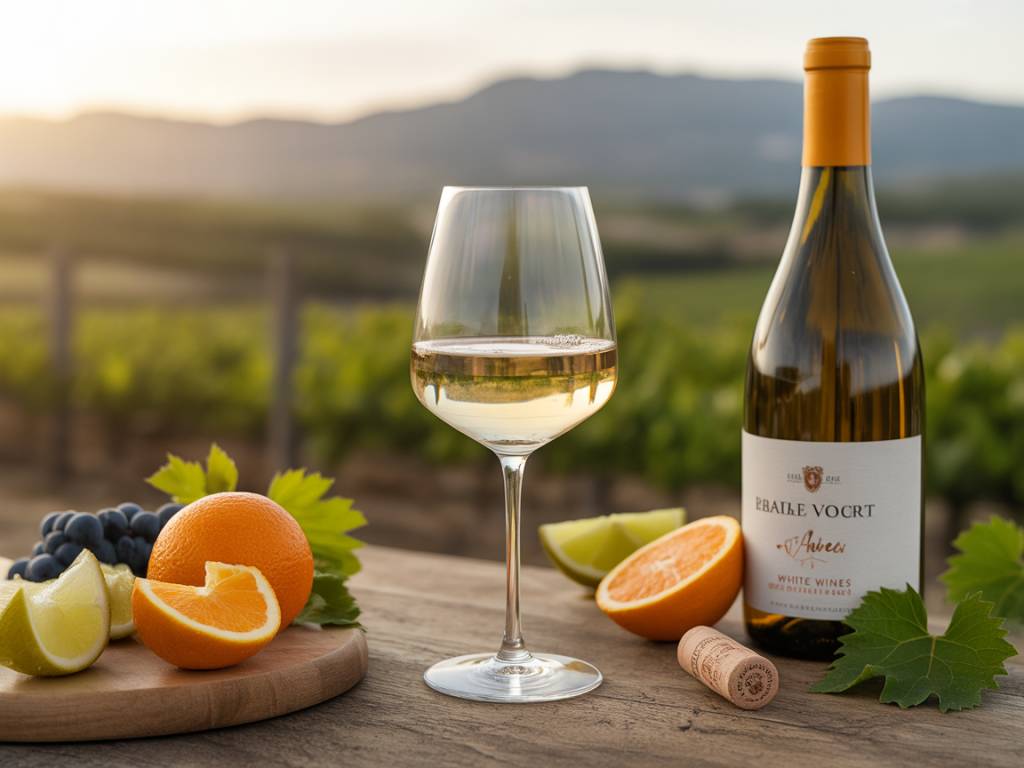
What Are Skin-Contact White Wines (Orange Wines)?
Skin-contact white wines, widely known as “orange wines”, occupy a fascinating middle ground between white and red. Made from white grapes but vinified like reds, they derive their distinctive amber to deep copper colour from extended contact with the grape skins. This approach yields wines with more texture, tannin and aromatic complexity than conventional whites, appealing to both adventurous wine drinkers and those interested in traditional, minimal-intervention techniques.
Although the term “orange wine” is relatively recent, the method is ancient. Winemakers in regions such as Georgia, Friuli in northeastern Italy and parts of Slovenia have used skin maceration for centuries. Today, producers around the world—from Australia to California and South Africa—are revisiting this style, often as part of a broader movement towards artisanal and terroir-expressive wines.
Key Winemaking Techniques for Skin-Contact White Wines
The distinctive character of orange wines stems from how they are made. While each producer has a personal approach, several core techniques are commonly used.
Grape Selection and Harvest Choices
Winemakers typically select white grape varieties with naturally good acidity and aromatic character to withstand extended maceration and ageing. Common choices include:
- Ribolla Gialla (Italy/Slovenia): A classic grape of Friuli and Brda, prized for its firm acidity and subtle stone-fruit profile.
- Malvasia: Often floral and aromatic, bringing perfumed notes and richness.
- Sauvignon Blanc: When handled with care, its herbal and citrus notes gain savoury depth.
- Chardonnay: Offers body and structure, especially when grown in cooler climates.
- Pinot Grigio / Pinot Gris: Naturally pinkish skins contribute attractive copper hues and delicate red-fruit nuances.
Harvest decisions are crucial. Many producers pick slightly earlier than for conventional white wines to preserve freshness. Higher acidity helps balance the tannic grip and textural weight that come from skin contact.
Skin Maceration: Time and Technique
The defining step is maceration—the period during which the juice stays in contact with the grape skins (and often seeds and sometimes stems). In standard white winemaking, grapes are usually pressed quickly and the skins discarded. In skin-contact white winemaking, the process echoes red wine production.
Key variables include:
- Duration: Maceration can last from a few hours to several months. Short macerations (12–48 hours) yield lightly textured, gently coloured wines, whereas long macerations (several weeks or more) create deeply hued, tannic and robust expressions.
- Temperature: Warmer fermentations increase extraction of colour, phenolics and tannins. Cooler fermentations preserve delicate aromatics but may yield subtler textures.
- Cap management: As skins rise to the surface during fermentation, winemakers may use punch-downs or pump-overs to keep them immersed. Gentle handling avoids harsh tannins; more vigorous extraction gives firmer structure and more pronounced bitterness.
- Whole berries vs. crushed: Some producers work with whole berries to slow extraction and emphasise freshness; others crush the fruit to accelerate the release of pigments and phenolic compounds.
Fermentation Vessels and Ageing
The choice of fermentation and ageing vessel contributes significantly to a wine’s final character. Common options include:
- Clay qvevri or amphorae: A hallmark of traditional Georgian winemaking, these clay vessels are often buried underground, providing natural temperature stability. They allow slow micro-oxygenation, accentuating savoury, earthy and sometimes slightly oxidative notes.
- Concrete tanks: Neutral and slightly porous, concrete offers stable temperatures and gentle oxygen exposure, enhancing texture without adding flavour from the vessel itself.
- Oak barrels or foudres: Larger, older barrels tend to impart minimal oak flavour but contribute oxygen exchange and textural development. Smaller or newer barrels may add subtle spice, vanilla or toast.
- Stainless steel: In some cases, winemakers choose stainless steel for a cleaner, more fruit-forward profile, especially when maceration times are already long and extraction robust.
Ageing can take place on the skins (extended maceration) or after pressing, on the lees (spent yeast cells). Lees ageing adds creaminess, complexity and sometimes a nutty or bready character, balancing the dryness and grip of skin-derived tannins.
Minimal-Intervention and Natural Winemaking Practices
Many orange wines are associated with the “natural wine” movement, although not all follow this path. Typical minimal-intervention practices include:
- Indigenous yeast fermentations: Rather than inoculating with commercial yeast strains, winemakers rely on the native yeasts present on the grapes and in the cellar, aiming for greater site-specific expression.
- Limited or no fining and filtration: To preserve texture and aromatic complexity, wines may be bottled unfiltered, resulting in slight haziness or sediment.
- Low sulphur additions: Some producers add only small amounts of SO₂ at bottling, while a minority avoid sulphur entirely, increasing the importance of careful hygiene and cellar management.
These choices can enhance personality and authenticity, but they also introduce variability. For consumers, this means that style and stability can differ markedly from one producer or vintage to another.
Colour, Aroma and Flavour Profile
Orange wines display a broad range of colours, from deep straw to vivid amber or even copper-pink, depending on grape variety and maceration length. In the glass, they often appear slightly cloudy if unfiltered, a visual cue that aligns with their artisanal image.
Aromatically, they sit somewhere between white and red wines, with additional layers of savoury and oxidative complexity. Typical descriptors include:
- Fruit notes: Dried apricot, orange peel, quince, baked apple, bruised pear, mandarin, and sometimes red fruit tones such as wild strawberry or dried cranberry.
- Floral and herbal elements: Chamomile, jasmine, dried flowers, sage, thyme, bay leaf and sometimes green tea.
- Spice and savoury nuances: Clove, cardamom, nutmeg, ginger, hay, resin, honeycomb and beeswax.
- Oxidative and tertiary hints: Walnut, hazelnut, dried mushroom, cider-like notes and sometimes a subtle sherry-like character in more oxidative examples.
On the palate, texture and structure are defining features. Expect:
- Firm tannins: Rare in conventional whites, tannins are a hallmark of extended skin contact. They can range from gentle grip to red-wine-level firmness.
- Pronounced dryness: Most orange wines are bone-dry, with phenolic bitterness adding an extra edge to the finish.
- Medium to high acidity: Essential for balance, acidity cuts through the tannins and supports the often savoury, umami-rich flavours.
- Weight and mouthfeel: Texturally, they can feel almost chewy or waxy, with a density that encourages slow, contemplative drinking.
Overall, orange wines are less about straightforward fruit and more about complexity, texture and interplay between bitterness, salinity and aromatic depth.
Food Pairing: How to Match Orange Wines at the Table
Because they combine the structure of red wines with the freshness of whites, skin-contact whites are versatile at the table. Their tannins, savoury elements and sometimes oxidative character make them particularly adept with richly flavoured, spice-driven and umami-heavy dishes that might overpower a delicate white or clash with a robust red.
Ideal Matches with Orange Wines
Some pairings consistently highlight the strengths of these wines:
- Cheese boards and charcuterie: The combination of salt, fat and umami in aged cheeses and cured meats meets the tannic grip and savoury profile of orange wines head-on. Try them with aged Comté, Pecorino, Parmigiano-Reggiano or washed-rind cheeses.
- Fermented and pickled foods: Kimchi, sauerkraut, miso-based dishes and pickled vegetables all resonate with the tangy, slightly oxidative notes of many orange wines. The acidity keeps the pairing lively, while the tannins handle the intensity.
- Middle Eastern and North African cuisine: Dishes featuring spices such as cumin, coriander, turmeric and sumac, along with slow-cooked meats and pulses, pair beautifully. Think lamb tagine with dried apricots, spiced chickpea stews or mujadara.
- East and Southeast Asian dishes: Orange wines can work well with mildly spicy curries, soy-based sauces and dishes featuring ginger, lemongrass or galangal. Consider Thai yellow curry, Japanese izakaya plates, or Vietnamese grilled pork with herbs.
- Roasted poultry and game birds: Roast chicken, guinea fowl, duck or quail with autumn vegetables and herbs suit the earthy, nutty side of many skin-contact wines.
- Root vegetables and mushrooms: Roasted carrots, parsnips, celeriac and beetroot, as well as wild mushrooms or truffle-based dishes, mirror the earthy and slightly rustic character of many orange wines.
- Seafood with depth of flavour: Grilled octopus, fish stews, shellfish in tomato or saffron broth and salted cod preparations are all strong candidates when you want more structure than a light white can offer.
Serving Tips for the Best Experience
To fully enjoy skin-contact whites, a few practical considerations can make a noticeable difference:
- Serving temperature: Aim for slightly warmer than a typical white wine, around 12–14°C (54–57°F). This allows complex aromas and textural nuances to emerge without losing freshness.
- Glassware: A white Burgundy or universal stem (rather than a narrow, flute-like glass) gives the wine room to breathe and directs aromas towards the nose.
- Decanting: Many orange wines benefit from air. A short decant—30 to 60 minutes—can soften tannins and bring out hidden aromatics, especially in younger or more structured examples.
- Approach them like light reds: When in doubt, think of them as you would a delicate red. They often occupy similar territory in terms of structure and pairing potential.
How to Choose an Orange Wine to Buy
The category is diverse, and styles range from clean and lightly textured to deliberately funky and intensely tannic. When selecting a bottle, consider the following points:
- Region and tradition: Regions such as Friuli-Venezia Giulia, Slovenia’s Brda and Vipava Valley, and Georgia’s Kakheti have long-standing traditions and many skilled producers, offering a good starting point.
- Length of maceration: If listed on the label or producer notes, maceration time is a useful clue. Shorter maceration often means a fresher, more approachable style; extended maceration suggests more grip and savouriness.
- Producer philosophy: If you prefer cleaner, more consistent wines, look for producers who mention careful sulphur management and some filtration. If you are curious about wilder expressions, seek out natural wine specialists.
- Grape varieties: Aromatic varieties like Gewürztraminer, Muscat or Malvasia can produce intensely perfumed orange wines, while grapes like Ribolla Gialla or Chardonnay tend to yield more restrained, mineral styles.
For those assembling a mixed case, it can be interesting to compare a lightly macerated wine from a cool region with a richly extracted example from a warmer climate. Tasting side by side is an effective way to understand how technique, terroir and grape choice shape the final wine.
Why Skin-Contact Whites Appeal to Today’s Drinkers
Orange wines resonate with contemporary drinkers for several reasons. They embody a sense of craftsmanship and authenticity, often produced by small, independent wineries that emphasise sustainable farming and minimal cellar manipulation. They also offer a different aesthetic: more savoury than fruity, more tactile than polished, and often more challenging than familiar.
For those who enjoy exploring beyond the classic categories of red, white and rosé, skin-contact whites open a door to a broader spectrum of flavours and textures. They are wines that invite discussion at the table, reward patient tasting and pair with a remarkable variety of cuisines—from traditional European fare to modern, globally inspired cooking.
Whether you are building a cellar, curating a restaurant list or simply looking for a bottle to match a spice-laden dinner, orange wines deserve a place on the radar. Understanding their winemaking techniques, flavour profiles and pairing potential is the first step to appreciating what they can bring to the glass.