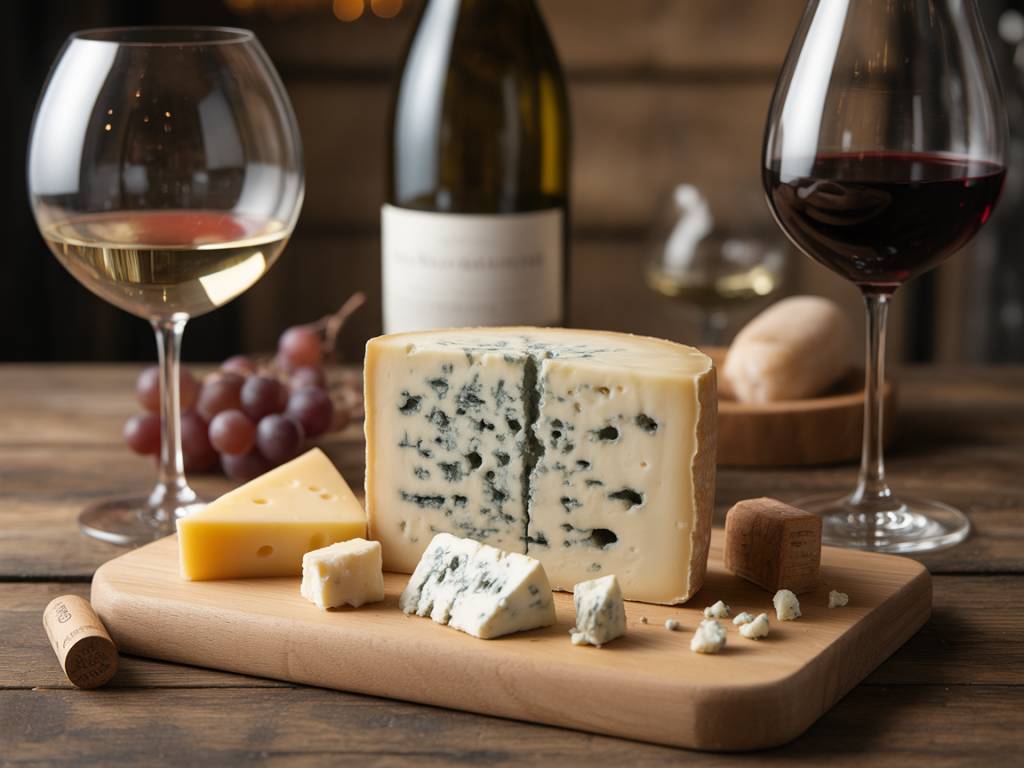
Understanding blue cheese: salt, fat and intensity
Blue cheese is one of the most polarizing foods on the table. Its crumbly texture, assertive aromas and piercing tang can be captivating or overwhelming, depending on the taster and the context. From a wine perspective, blue cheeses are demanding partners. Their high salt content, pronounced umami character and strong flavors can flatten delicate wines, emphasize bitterness and make tannins seem harsh.
To pair wine successfully with blue cheese, it helps to deconstruct what is on the plate:
Salt: Blue cheeses are among the saltiest styles. Salt can make wines taste smoother and rounder, but it also highlights bitterness and astringency if the wine is too tannic.
Fat and cream: Many blues, especially those based on cow’s milk, have a rich, buttery texture. Fat softens tannins and can handle wines with more structure, provided the fruit is generous enough.
Acidity: Blue cheeses can be surprisingly tangy, with lactic and sometimes metallic notes. Wines need enough acidity to refresh the palate but not so much that the combination feels sharp.
Intensity: A mild Gorgonzola Dolce is a very different opponent from a powerful Roquefort or an aged Stilton. The intensity of the cheese should be matched by the intensity of the wine.
There is no single “correct” pairing for blue cheese; instead, there are styles of wine that highlight different dimensions of the cheese. From unctuous Sauternes to bold reds and even sparkling wines, each pairing tells a different story.
Why sweet wines love blue cheese
The classic pairing for blue cheese is a sweet wine, particularly those made with botrytized grapes. Sauternes, the noble sweet wine from Bordeaux, is often held up as the gold standard. The reason is simple chemistry: salt and sweetness are natural partners.
Blue cheese’s salt heightens our perception of fruit in the wine, while sweetness rounds off any aggressive edges in the cheese. At the same time, the acidity in a good dessert wine keeps the combination from feeling cloying. The result is a layered contrast of sweet, salty, creamy and tangy that feels surprisingly balanced.
Within this broad family of sweet wines, different regions offer slightly different expressions:
Sauternes (Bordeaux): Rich and honeyed, with notes of apricot, marmalade and often a hint of saffron. The botrytis character (noble rot) adds complexity that stands up well to intense blue cheeses like Roquefort.
Barsac: Technically part of the same region as Sauternes but often a little lighter and more focused, with higher acidity. A good match for creamier, less aggressive blues, especially when you want a fresher feel.
Tokaji Aszú (Hungary): Offers vibrant apricot, orange peel and spice with higher acidity than many Sauternes. Excellent for pairing with rich, buttery blues where you want the wine to cut through the fat.
Late Harvest Riesling or Pinot Gris: These wines are typically more aromatic, with notes of citrus, stone fruit and sometimes petrol in Riesling. Their lively acidity makes them exceptionally refreshing alongside creamier blue cheeses.
With these wines, small pours are ideal. A little sweetness carries a long way when paired with salty, powerful cheese. Serve them well chilled, around 8–10°C (46–50°F), to keep the balance taut and the texture bright.
Matching specific blue cheeses with sweet wines
Not all blue cheeses behave the same way with sweet wines. Texture, milk type and aging all influence the pairing. A few illustrative examples:
Roquefort: Traditionally paired with Sauternes. The sheep’s milk gives a pronounced, almost lanolin-rich character, and the intense salinity cries out for a wine with both sweetness and depth. Sauternes or Tokaji Aszú work beautifully, but a high-quality late harvest Semillon can also excel.
Stilton: A classic partner for Port, but it also works very well with Sauternes, especially slightly older bottles where honey and nut notes have developed. The cheese’s crumbly texture and nutty undertones find echoes in a mature dessert wine.
Gorgonzola Dolce: Creamier and milder than many blues, this style is superb with late harvest Moscato or a lightly sweet Riesling. The combination feels lush and dessert-like, especially if accompanied by figs or pears.
Bleu d’Auvergne and similar cow’s milk blues: More rustic in expression, these cheeses pair well with slightly less opulent sweet wines such as off-dry Chenin Blanc or late harvest Gewurztraminer, where floral and spicy notes add a new dimension.
For entertaining, assembling a small selection of blues with two contrasting sweet wines (for example, a Sauternes and a late harvest Riesling) can be an instructive and enjoyable tasting exercise for guests.
Port and fortified wines: power meeting power
After Sauternes, Port is perhaps the second most renowned partner for blue cheese, particularly for Stilton. The logic here is a play on both contrast and harmony: the sweetness in the Port counters the salt in the cheese, while the wine’s tannins and spirit give it enough backbone to stand tall against strong flavors.
Different styles of Port offer varying experiences:
Ruby and Late Bottled Vintage (LBV) Port: Intense fruit, dark cherry, plum and chocolate notes. These styles pair well with robust, crumbly blue cheeses such as Stilton, bringing a jammy richness to the combination.
Tawny Port: More oxidative, with flavors of caramel, nuts and dried fruits. Tawnies can create a more nuanced pairing, especially with slightly aged blue cheeses that have developed nutty and earthy tones.
Vintage Port: Powerful and structured, best with the boldest, most mature blue cheeses. This is a pairing for those who enjoy intensity and are not shy about strong flavors on both sides of the glass.
Other fortified wines can also work wonderfully. A sweet Madeira (such as Bual or Malmsey) brings high acidity, roasted nut character and great longevity in the glass, making it a versatile option for a cheese board. Sweet Sherries, particularly Pedro Ximénez (PX), deliver raisin, fig and coffee notes that can create an indulgent dessert pairing with creamy blue cheese and dried fruits.
Can blue cheese work with bold reds?
For many wine lovers, the instinct is to reach for a bold red with strong cheese. This can work, but it is not always straightforward with blue styles. The challenge lies in the interaction between salt and tannin: blue cheese can exaggerate bitterness and make a structured red taste angular or metallic.
That said, certain reds can pair successfully, especially with milder or creamier blue cheeses:
Fruit-forward reds with moderate tannins: Wines such as New World Merlot, Zinfandel or ripe Grenache can do well, provided they are not overly oaky or tannic. Their generous fruit and soft structure can complement the creaminess of a milder blue.
Amarone della Valpolicella: This dried-grape red from Italy offers richness, dried fruit flavors and a touch of sweetness. It can handle robust blue cheeses, especially when served with walnuts and dried figs.
Syrah/Shiraz: Particularly New World Shiraz with plush fruit and moderate tannins can work with cow’s milk blue cheeses, where the peppery notes in the wine echo the spicy edge of the cheese.
If you prefer red wine, consider the following guidelines:
Avoid very young, highly tannic reds (such as tightly wound young Cabernet Sauvignon or Nebbiolo); they are likely to turn bitter and astringent with blue cheese.
Look for wines with ripe, juicy fruit and a touch of residual sugar or perceived sweetness from high ripeness.
Pair with milder or creamier blues rather than the saltiest, most aggressive examples.
When the match is right, a bold red and blue cheese can be deeply satisfying, especially on a cold evening, perhaps accompanied by charcuterie and rustic bread.
Sparkling wines and off-dry whites: a fresher approach
For drinkers who find heavy sweet wines or fortified wines too rich, sparkling wines and off-dry whites offer a lighter, more refreshing alternative. The combination of acidity and, in some cases, a hint of sweetness helps manage both the salt and fat in blue cheese.
Off-dry Champagne or traditional-method sparkling wine: A brut or extra-dry style with some dosage can provide enough softness to cope with salt while the bubbles cleanse the palate. This can be particularly successful with creamier blue cheeses or blue cheese-based sauces.
Off-dry Riesling: German Kabinett or Spätlese Riesling offers bright acidity and a touch of sweetness, alongside citrus and stone fruit notes. This makes for a lively pairing with milder blues, especially when served with apples or pears.
Vouvray (off-dry Chenin Blanc): Chenin’s honeyed notes, apple and quince aromas and firm acidity create a harmonious match for semi-strong blue cheeses, giving a more restrained, Loire-inflected alternative to Sauternes.
These wines tend to shine in warmer weather or earlier in a meal, perhaps as an elevated aperitif pairing with blue cheese-stuffed dates, canapés or a salad garnished with crumbled blue cheese and nuts.
Building a blue cheese and wine board at home
For readers looking to translate these ideas into a practical, buyable selection, a well-composed cheese and wine board centered on blue cheese can be both educational and pleasurable. Consider the following structure:
Choose two or three blue cheeses with different profiles: for example, Roquefort (intense, sheep’s milk), Gorgonzola Dolce (creamy, cow’s milk) and a semi-firm, rustic blue like Bleu d’Auvergne.
Select contrasting wines: one lusciously sweet (Sauternes, Tokaji or LBV Port), one fresher off-dry white (Riesling or Vouvray) and, if desired, one fruit-forward red (Zinfandel or New World Syrah).
Add accompaniments that bridge wine and cheese: dried figs, fresh pears, walnuts, honey, and crusty bread or neutral crackers. These elements can soften challenging edges and highlight different facets of each pairing.
Serve cheeses at room temperature and wines at appropriate temperatures: sweet and white wines lightly chilled, reds slightly cooler than room temperature, and fortified wines cool but not cold.
Presenting the board with a simple guide for guests—perhaps suggesting that they first taste each cheese on its own, then with each wine—turns an informal gathering into a small tasting journey. Preferences may differ widely, but that is part of the appeal: blue cheese pairings are as much about discovering personal taste as they are about following classic rules.
From the honeyed richness of Sauternes to the dark fruit of Port and the spice of bold reds, blue cheese offers a dramatic stage for wines to perform. Approached thoughtfully, these combinations can transform a simple cheese course into the most memorable part of the meal.