


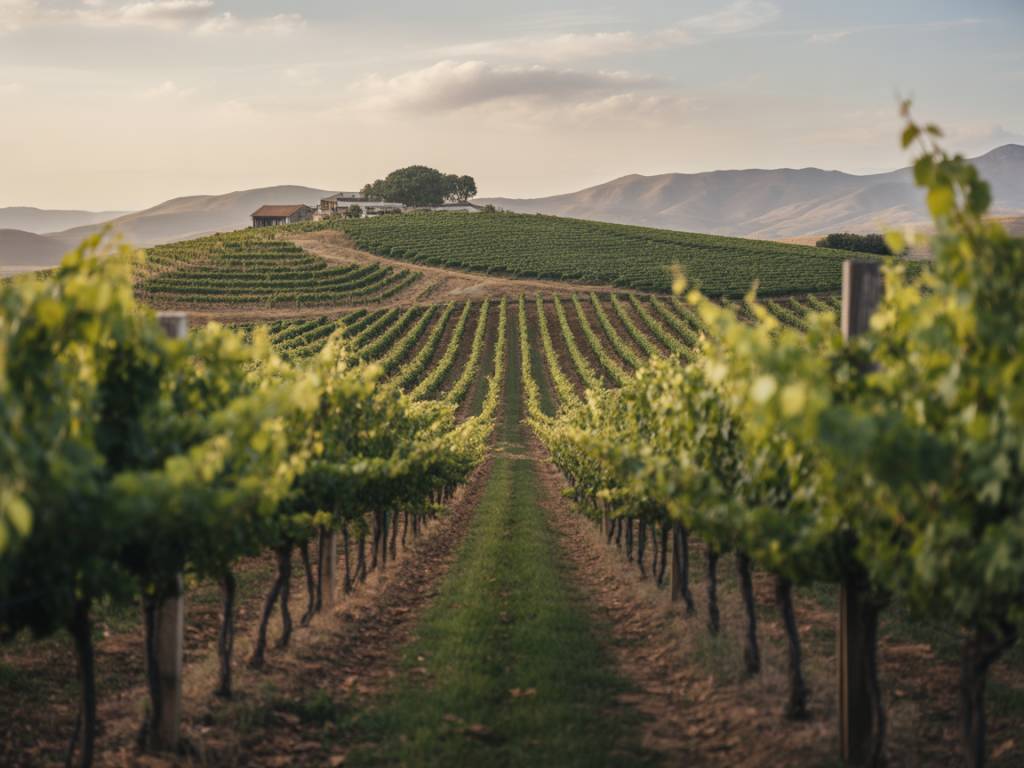
Dry-farmed vineyards occupy a somewhat mythical place in the wine world. They are often associated with old vines gripping steep hillsides, tiny yields and wines of remarkable intensity. Yet behind the romance lies a complex and demanding agricultural choice: to cultivate vines without irrigation, relying almost entirely on natural rainfall and soil reserves. As climate volatility reshapes wine regions worldwide, understanding dry farming has become more than a niche interest; it is central to the discussion about flavour, sustainability and the future of fine wine.
What does dry farming really mean?
Dry farming, in its strictest sense, refers to viticulture conducted without supplemental irrigation once the vines are established. Young vines may receive limited water in their first years, but mature vines are expected to survive – and ideally thrive – on rainwater alone. In many traditional European regions, this is simply how viticulture has always been practiced; irrigation was historically prohibited or impractical.
This approach stands in contrast to irrigated viticulture, common in many New World regions and increasingly in Europe, where growers deliver water via drip lines, overhead sprinklers or flood systems. Where irrigation is used judiciously, it can secure yields, especially in drought years. But it also transforms the way vines behave, influencing root depth, berry size and ultimately, wine style.
Why water stress matters for wine quality
The key to understanding dry farming lies in how vines react to water scarcity. Moderate water stress – not to the point of vine death or severe leaf loss, but enough to slow vigorous growth – can be highly beneficial for wine quality.
Under natural or induced water stress, vines typically:
From a sensory standpoint, this often translates to wines with:
The nuance lies in degree. Extreme stress can shut the vine down, halt photosynthesis and lead to underripe tannins, dried-out aromas and harsh textures. The art of dry farming is to harness beneficial stress without crossing that invisible line into vine distress.
Soil, climate and the limits of dry farming
Dry farming is not universally possible, nor is it automatically desirable in every region. Its success is tightly bound to local conditions.
Soils play a decisive role. The most suitable sites tend to have:
Conversely, very shallow or excessively sandy soils can drain too quickly, making dry farming risky or unviable, particularly in hotter climates.
Climate is the second pillar. Dry-farmed vineyards are more viable where:
This explains why dry farming remains the norm in many classic European regions – think of Burgundy, Rioja, the Rhône or much of Italy – while in arid New World interiors, such as parts of California, Australia or Chile, it is more of a conscious, sometimes radical, choice pursued by a minority of growers.
Deep roots and the idea of terroir
Perhaps the most compelling argument for dry farming is its relationship with terroir. When vines are irrigated frequently and shallowly, roots have little incentive to plunge deep into the soil. In contrast, a dry-farmed vine is forced to explore, sending roots down and laterally in search of moisture.
This deep rooting does not mean the vine literally absorbs specific flavours – “slate” or “limestone” in any direct sense – but it does expose the plant to a more complex environment of minerals, soil microbes and structural variations. The result is more stable nutrition and a capacity to buffer climatic extremes.
Many growers report that dry-farmed vines:
This helps explain why some of the world’s most revered vineyards, from the grands crus of Burgundy to the ancient bush vines of the Barossa and Priorat’s steep terraces, are either entirely dry-farmed or rely on irrigation only in exceptional circumstances.
Yield, risk and economic realities
Dry farming is rarely a strategy for maximizing volume. In many regions, growers who abandon irrigation accept a reduction in yield, sometimes significant, particularly in the early years of conversion. The berries are smaller, clusters lighter, and vine vigour is generally lower.
From a commercial perspective, this has several implications:
For growers, the decision to dry farm is a balancing act between these risks and the potential reward of more characterful, expressive wines. It is no coincidence that many producers committed to dry farming position their wines firmly in the premium or fine wine segment, where consumers are willing to pay for distinctiveness and provenance.
Dry farming and sustainability
As water scarcity becomes a pressing issue in many wine regions, dry farming is increasingly discussed through the lens of sustainability. Vineyards can be water-intensive, especially in arid climates where irrigation is used to push yields or ensure consistency for high-volume production.
Dry-farmed vineyards offer several environmental benefits:
However, the picture is not entirely straightforward. Lower yields can mean that more land is required to produce the same volume of wine, and in extreme droughts, even dry-farmed vineyards may require emergency watering to prevent vine death. Some regions are experimenting with hybrid models: minimal, deficit irrigation designed to mimic the moderate stress of traditional dry farming while providing a safety net in severe seasons.
How dry farming expresses itself in the glass
For the wine drinker, the appeal of dry-farmed wines often lies in their texture and clarity of flavour. While it is impossible to blind-taste “dry farming” as a single, identifiable trait, certain tendencies do emerge, especially when comparing dry-farmed and irrigated parcels from the same estate.
Common stylistic markers include:
White wines from dry-farmed vines can display remarkable tension, with concentrated citrus, stone fruit or floral profiles supported by a precise, sometimes saline finish. In both colours, the impression is often one of completeness – not necessarily bigger wines, but wines that feel more grounded.
Regions and producers to explore
For readers interested in tasting the influence of dry farming, several regions and producer styles are worth seeking out. While practices vary widely, the following are often rich hunting grounds for dry-farmed wines:
Curious consumers may also explore specialist retailers and importers who highlight farming practices in their selections. Many natural and low-intervention wine shops, for example, prioritise producers working with dry farming, organics or biodynamics, seeing these as interconnected choices that favour soil health and site expression.
What to consider when buying dry-farmed wines
When choosing wines from dry-farmed vineyards, a few practical considerations can help guide your purchases:
Ultimately, dry-farmed vineyards are not a guarantee of greatness, nor is irrigation synonymous with mediocrity. The finest wines are born from a dialogue between site, climate, vine and grower. Yet among the many decisions a winegrower makes, the choice to rely – as far as possible – on nature’s own water regime often reflects a deep commitment to character and authenticity. For the curious drinker, seeking out these wines can be a rewarding way to taste not only grapes and technique, but the measured tension between scarcity and abundance that defines so many of the world’s most memorable vineyards.