


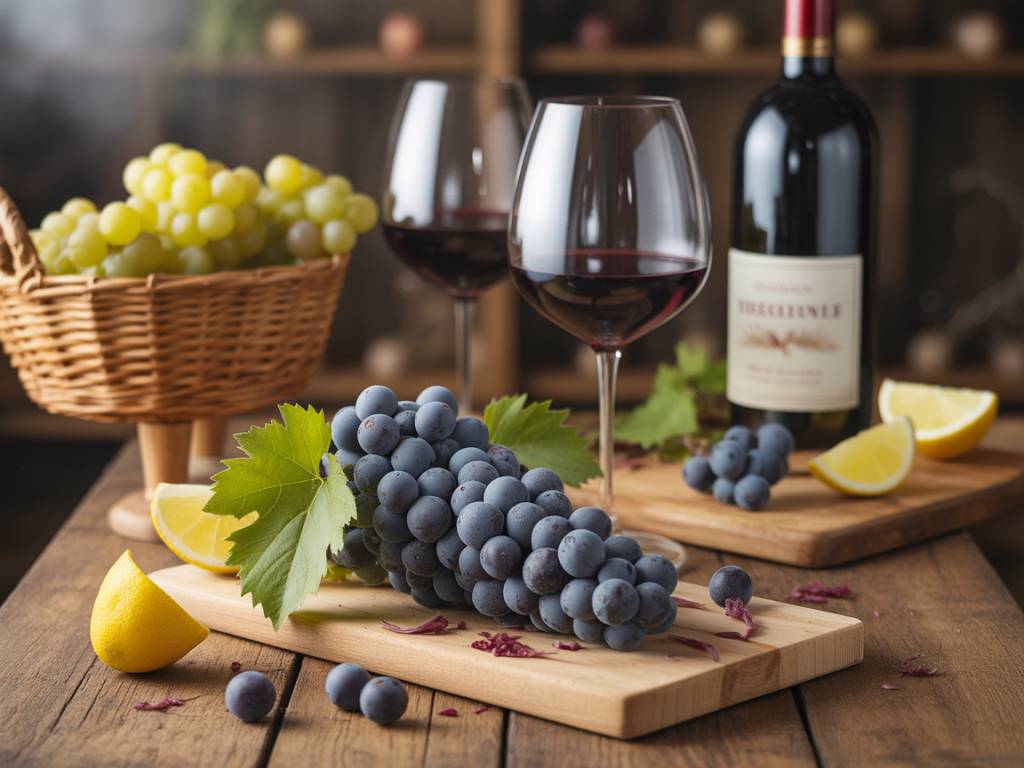
Understanding carbonic maceration: from cellar to glass
Carbonic maceration is one of those winemaking techniques that sounds technical but reveals itself in the glass with unmistakable charm. Think vivid fruit, supple tannins, and a sense of immediacy: wines that feel almost juicier than juice, yet still recognisably vinous. While the method is historically linked to Beaujolais, it now appears in regions as diverse as Spain’s Rioja Alavesa, Australia’s Adelaide Hills, and California’s Sonoma Coast.
At its core, carbonic maceration is about fermenting whole grapes in an environment rich in carbon dioxide, encouraging an intracellular fermentation inside each berry. This unusual process reshapes the wine’s aromatic profile, softens its structure, and suggests distinctive food pairings that differ from those of more classic red winemaking.
What is carbonic maceration, technically speaking?
In traditional red winemaking, grapes are crushed or destemmed, yeasts convert sugar to alcohol in the juice, and color and tannins are extracted from skins and seeds during fermentation. Carbonic maceration reverses this familiar sequence. Instead of crushing the grapes first, the winemaker places intact whole bunches into a closed tank filled with carbon dioxide.
Deprived of oxygen, the grapes begin a form of anaerobic metabolism inside each berry—often described as intracellular fermentation. Enzymes within the grapes start converting some sugar into alcohol and producing aromatic compounds even before conventional yeast-driven fermentation gets underway. Only once the berries begin to split, or are eventually pressed, does the juice flow out and finish fermenting in a more traditional way.
This relatively short but crucial phase inside the intact berries is what gives carbonic maceration its signature footprint in the glass.
Carbonic vs semi-carbonic maceration
In practice, winemakers do not always use “pure” carbonic maceration. Two broad approaches dominate cellars:
- Full carbonic maceration: The tank is filled with whole clusters and then saturated with external CO2. There is minimal or no crushing at the outset, and the environment is strictly anaerobic. This is more common in experimental cuvées and in regions equipped with sealed tanks and gas systems.
- Semi-carbonic maceration: Traditional in Beaujolais and some other regions. Whole clusters are loaded into a tank without added CO2. The weight of the fruit crushes some grapes at the bottom, their juice starts to ferment spontaneously, and the resulting CO2 saturates the tank, triggering intracellular fermentation in the intact grapes above.
Both approaches aim to stimulate fermentation inside uncrushed grapes, but semi-carbonic often shows a slightly broader textural and aromatic range because conventional fermentation and maceration occur alongside the intracellular phase.
How carbonic maceration shapes aroma
The most immediate impact of carbonic maceration is aromatic. Many tasters describe these wines as smelling like fresh fruit salad or newly picked berries. Intracellular fermentation produces a suite of esters and volatile compounds associated with:
- Red and purple fruits: Bright notes of strawberry, raspberry, red cherry, and often a strong impression of fresh or candied grape.
- Confectionery tones: Aromas reminiscent of bubblegum, marshmallow, or fruit sweets—especially in very young wines or those made with aggressive full carbonic regimes.
- Floral and spicy hints: Violets, peony, banana, and sometimes a subtle cinnamon or clove edge, depending on the grape variety and fermentation temperature.
Temperature management matters. Warmer fermentations tend to increase the intensity of these estery, bubblegum-like notes, while cooler, more controlled fermentations may result in a subtler, more nuanced aromatic profile. The grape variety also plays a crucial role: carbonic Grenache, for example, will express itself differently from carbonic Syrah or Cabernet Franc, even though the underlying technique is similar.
For drinkers, the key takeaway is that carbonic maceration generally amplifies primary fruit character and downplays earthy, savoury, and oak-driven elements, especially in the first few years of bottle age.
Texture and structure: why these reds feel so supple
The texture of a carbonic maceration wine is often as distinctive as its aroma. Several factors work together to produce this hallmark softness:
- Lower tannin extraction: Because the berries are not heavily crushed and the contact between juice and skins is often shorter and gentler, less tannin is extracted. Seeds, in particular, are less disrupted, limiting harsher, bitter phenolics.
- Rounder acidity perception: While total acidity can be similar to that of conventionally made wines, the intense fruitiness and relatively low tannin can make acidity feel more integrated and less sharp.
- Moderate alcohol levels: Many classic carbonic wines, such as Beaujolais-Villages, are harvested at moderate ripeness, leading to refreshing alcohol levels that reinforce the impression of lightness and drinkability.
The result is a style of red that feels slippery, juicy, and almost glou-glou—an informal French term for wines that go down very easily. Even when made from grapes that can be structured and firm in a traditional vinification, carbonic maceration tends to smooth out edges and foreground immediacy over aging potential.
Classic regions and grape varieties
Although winemakers across the world now experiment with carbonic maceration, a few regions and varieties remain fundamental to understanding the style.
- Beaujolais (France): The reference point. Semi-carbonic maceration is the norm for Gamay, especially in Beaujolais and Beaujolais-Villages. Many of the ten crus—such as Fleurie, Chiroubles, and Morgon—use variations on the method, sometimes with longer macerations and partial destemming to build more structure.
- Rioja Alavesa and Navarra (Spain): Tempranillo and Garnacha are used to produce vino de maceración carbónica, typically young, vibrant reds sold for early drinking, often released just months after harvest.
- Loire Valley (France): Cabernet Franc and Gamay in the Loire can undergo partial or full carbonic maceration, yielding fragrant, supple reds from appellations such as Anjou, Touraine, and Saumur.
- New World regions: From California and Oregon to Australia and South Africa, carbonic maceration is becoming part of the toolbox for winemakers working with Pinot Noir, Grenache, Cinsault, and even Syrah, often in the context of lighter, chillable reds aimed at gastronomic versatility.
For buyers, these regions and varieties are a practical starting point when looking for wines that express the hallmark traits of carbonic maceration—especially if the back label or technical sheet explicitly mentions “whole-bunch,” “carbonic,” or “semi-carbonic.”
Serving carbonic reds: temperature and glassware
Because these wines tend to be fruit-forward and relatively low in tannin, they benefit from slightly cooler serving temperatures than many traditional reds. Around 12–14°C (54–57°F) is a useful rule of thumb—just cool enough to sharpen aromatics and refreshment without muting the fruit.
Glassware can be relatively informal: a smaller tulip-shaped red wine glass or even a universal white wine glass typically works well. Oversized bowls designed for powerful, oak-aged reds are often unnecessary and can exaggerate alcohol and any volatile notes.
Food pairings: where carbonic reds shine at the table
The gentle tannins, vivid fruit, and moderate alcohol of carbonic maceration wines make them exceptionally flexible at the table. They particularly excel with dishes that challenge more structured reds, such as mildly spicy cuisine, dishes with sweetness, or lighter proteins.
Everyday, casual dishes
These are wines that adapt effortlessly to informal meals, from weeknight suppers to picnics.
- Charcuterie and simple cold cuts: The low tannin helps avoid metallic clashes with cured meats. Think saucisson, pâtés, terrines, and country ham.
- Roast chicken and turkey: Juicy fruit and moderate body complement white meats, particularly when herbs, garlic, or mustard are involved.
- Pizza and tomato-based pasta: The bright acidity in carbonic reds meshes neatly with tomato sauces without overpowering cheese or vegetable toppings.
- Burgers and grilled sausages: The wines’ freshness cuts through fat and salt, while their easy-going profile suits casual, convivial settings.
Vegetable-forward and plant-based cuisine
Carbonic reds often work better than heavier, oak-driven wines with vegetables and plant-based dishes, which can be delicate or slightly bitter.
- Grilled vegetables and ratatouille: The sweet, roasted flavours of aubergine, courgette, and peppers echo the wine’s ripe fruit character.
- Mushroom dishes: Lightly sautéed mushrooms, mushroom tarts, or risotto find a good partner in a carbonic Gamay or Pinot Noir that will not overpower their umami.
- Legume-based dishes: Lentil salads, bean stews, and chickpea curries pair well thanks to the wines’ moderate tannin and refreshing acidity.
Spice, sweetness, and challenging flavours
Where more austere reds can struggle with heat and sweetness, carbonic wines often succeed.
- Lightly spicy dishes: Think Thai basil stir-fries, Korean barbecue marinades, or Mexican dishes with moderate chilli. The gentle alcohol and ripe fruit reduce the perception of heat.
- Glazed and sweet-savory recipes: Dishes with hoisin, teriyaki, or honey-mustard glazes can accentuate bitterness and tannin in traditional reds. Carbonic wines, with their rounded texture, are far more forgiving.
- Cheeses: Soft, rind cheeses (Brie, Camembert), mild washed rinds, and younger semi-hard cheeses all tend to harmonise well with fruit-driven, low-tannin reds.
When carbonic maceration is less appropriate
Despite their versatility, carbonic reds are not universal solutions. Heavily structured dishes can overpower them:
- Very rich red meats: Long-braised beef cheeks, game stews, or heavily charred ribeye often call for more structured, tannic reds than most carbonic wines can provide.
- Very old, hard cheeses: Intense, crystalline aged cheeses may overwhelm the fruit and expose any simple or confectionery notes in the wine.
As always, producer style matters. Some winemakers apply carbonic techniques to build aromatic lift on otherwise structured reds, which can stand up better to robust dishes.
Buying tips: how to choose carbonic maceration wines
For readers looking to purchase wines made with carbonic maceration, a few practical guidelines help navigate shelves and online listings:
- Look for key regions: Beaujolais, especially Beaujolais-Villages and the lighter crus; young Rioja labelled as carbonic maceration; Loire Gamay and certain Cabernet Francs.
- Read back labels and producer notes: Terms such as “whole-bunch,” “whole-cluster,” “carbonic,” and “semi-carbonic” are strong indicators of style.
- Check the vintage: These wines are usually intended for early consumption. For entry-level bottles, aim for the most recent vintage available.
- Ask your merchant: A good wine shop or online retailer will know which producers lean into carbonic methods and can recommend bottles that match your preferred fruitiness and weight.
Whether you are exploring Beaujolais for the first time or discovering lighter, chillable reds from newer-wave producers, understanding carbonic maceration provides a helpful framework. It explains why these wines smell so vividly of fruit, feel so approachable on the palate, and pair so well with the broad, evolving spectrum of modern cuisine.